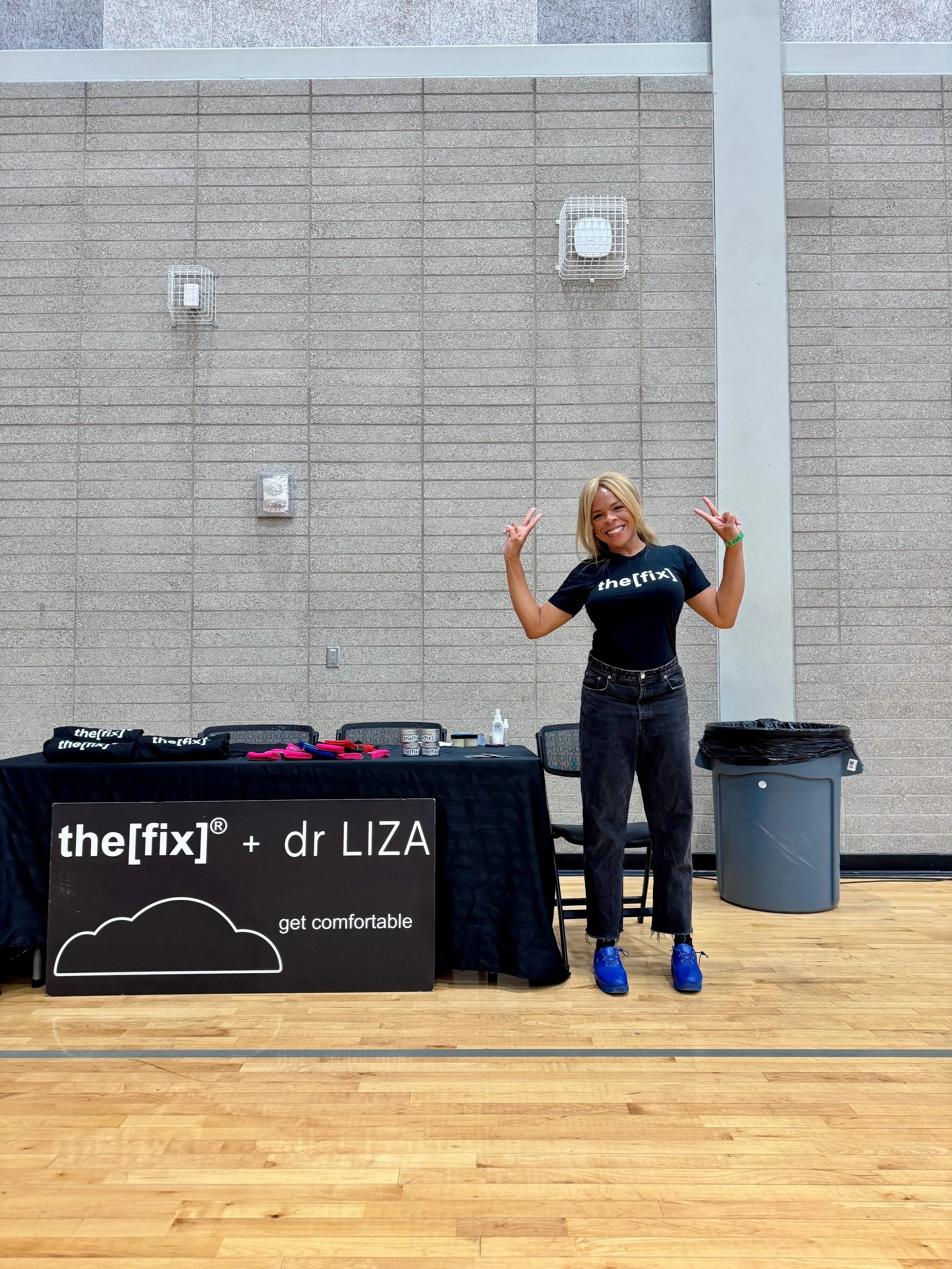
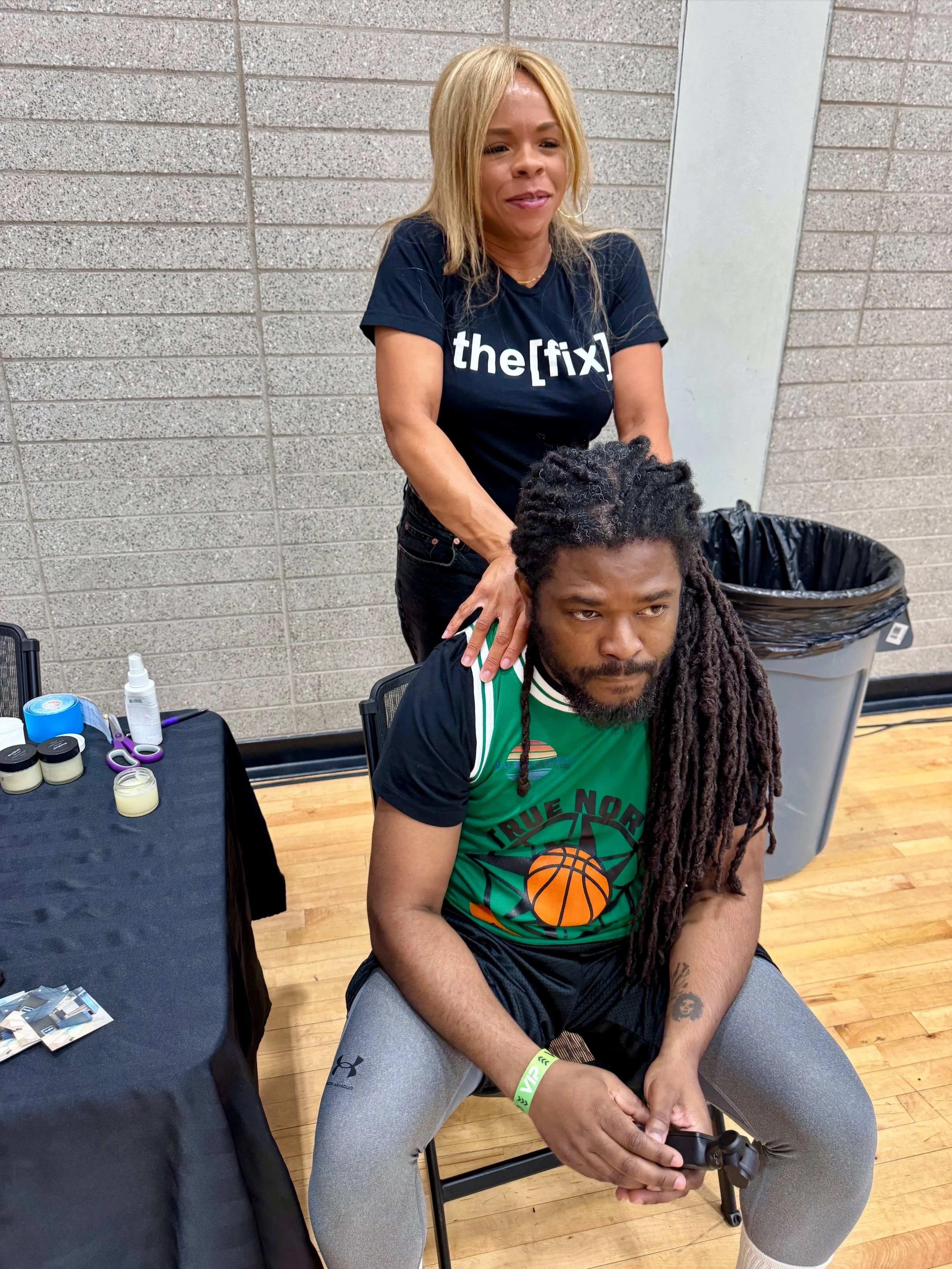
Loved being part of the true north classic celebrity basketball game - raising funds for Music Counts and Tune In Foundation so the next generation of creators gets the instruments and opportunities they deserve.
Exercise and tips to combat office chair butt - piriformis syndrome
If you sit at a desk all day or even on the couch you may experience vague discomfort and pain where you sit. We call this lower cross syndrome, gluteal amnesia dead butt syndrome or more recently office chair butt.
In this syndrome, muscle tightness and weakness combine to create an imbalance. Constant sitting weakens the gluteus medius, the main stabilizer muscles in the buttock. The job of the gluteus medius is to stabilize your hips and pelvis. When it’s weak and can’t function properly, you may experience varying levels of hip and lower back pain when you sit and sometimes when you move. It also causes the hip flexors to tighten and since these muscles attach to the spine - can lead to back pain.
With minutes of sitting down - the nerves that activate glutes can shut down which can cause your glutes to atrophy (lose muscle) over time. This can cause your glutes to become weak, sag and flatten.
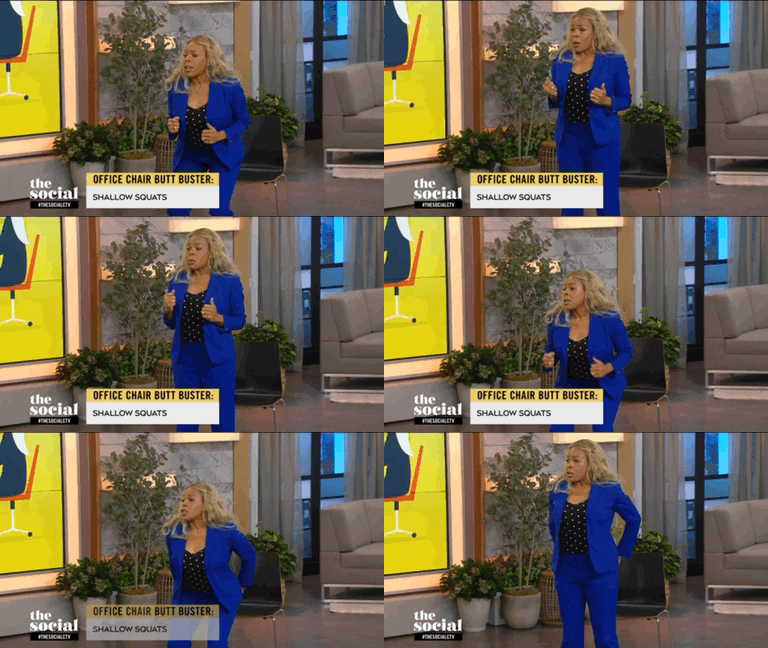
I shared tips to combat office butt and exercises that will help your butt and back feel better on The Social. These exercises will also help lift and round your glutes so it doesn’t look like you’ve been sitting all day.
1. Shallow Squats
How to Do It:
Stand with your feet shoulder-width apart, toes pointing slightly outward. Engage your core and keep your back straight.
Slowly lower your hips by bending your knees, as if you are sitting in a chair.
Only go down about quarter to halfway (about 30-45 degrees) to avoid excessive hip strain.
Ensure your knees do not go past your toes and keep your weight in your heels.
Hold for 1-2 seconds at the bottom, then push through your heels to return to standing.
Repeat for 10-15 reps, 2-3 sets.
Benefits:
Strengthens glutes, quads, and hamstrings, which relieves pressure on the piriformis.
Encourages proper hip alignment and posture.
Improves hip stability without overstretching the piriformis muscle.
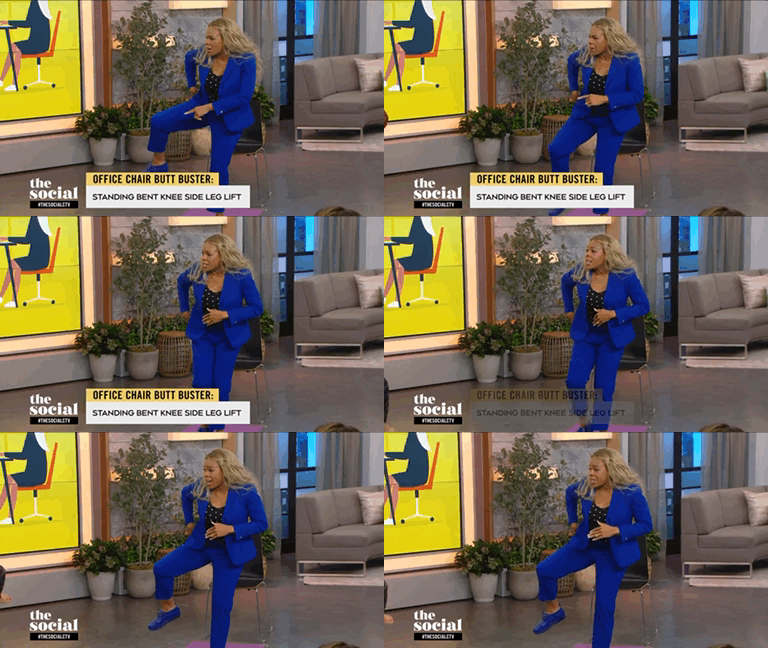
2. Standing Bent Knee Side Leg Lift
How to Do It:
Stand tall with feet shoulder width apart
Shift your weight onto one leg, slightly bend both knees.
Lift the opposite leg out to the side, keeping the knee bent at about a 90° angle.
Keep your hips level - don’t tilt or rotate your torso.
Pause at the top for a second, then lower slowly.
Repeat for 10–12 reps per side.
Benefits:
Targets the gluteus medius, an important stabilizer that supports the piriformis.
Helps reduce overuse of the piriformis by strengthening surrounding muscles.
Encourages better hip stabilization and alignment, reducing sciatic nerve irritation.
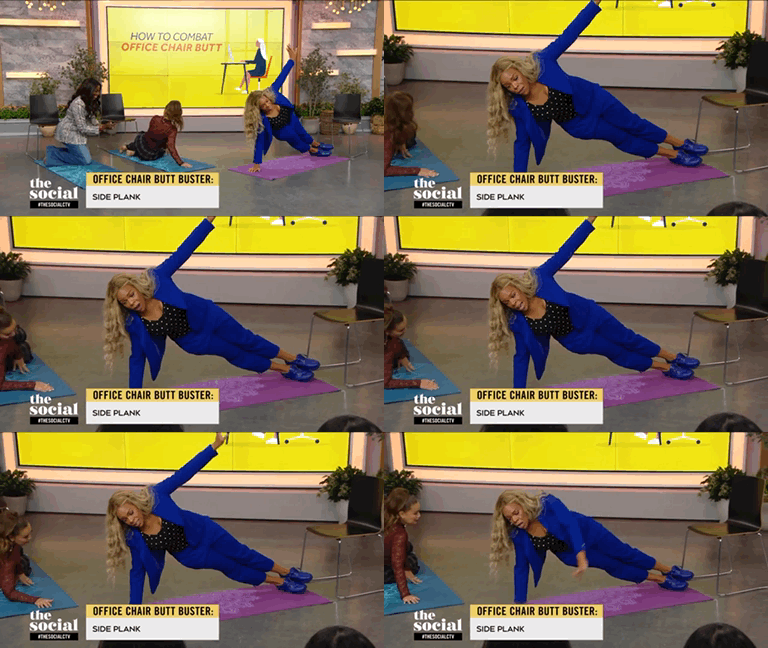
3. Side Plank
How to Do It:
Lie on your side with your elbow directly under your shoulder and your legs extended.
Stack your feet on top of each other (or place the top foot in front for more stability).
Engage your core and lift your hips off the floor, forming a straight line from head to feet.
Hold for 15-30 seconds, keeping your body aligned.
Lower back down slowly and switch sides.
Repeat 2-3 times per side.
Modification: Drop the bottom knee to the floor for a beginner-friendly version.
Benefits:
Strengthens core, hips, and glute muscles, reducing piriformis strain.
Improves lateral hip and spine stability, which helps prevent sciatic compression.
Reduces compensation from piriformis by activating stabilizing muscle groups.
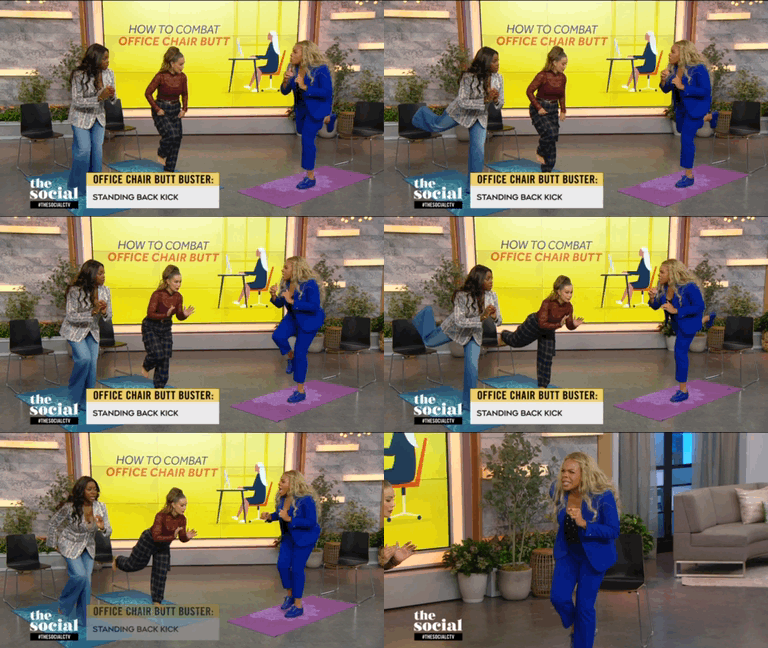
4. Standing Back Kick
How to Do It:
Stand tall with feet hip-width apart.
Shift your weight onto one leg and extend the opposite leg straight back.
Keep the extended leg straight and squeeze your glutes as you lift it.
Avoid arching your lower back - keep your core tight.
Slowly return to the starting position.
Perform 10-15 reps per leg, 2-3 sets.
Benefits:
Strengthens gluteus maximus, which often compensates for a weak piriformis. Reduces over-reliance on the piriformis muscle for hip extension.
Enhances hip joint mobility and stability, helping alleviate pressure on the sciatic nerve.
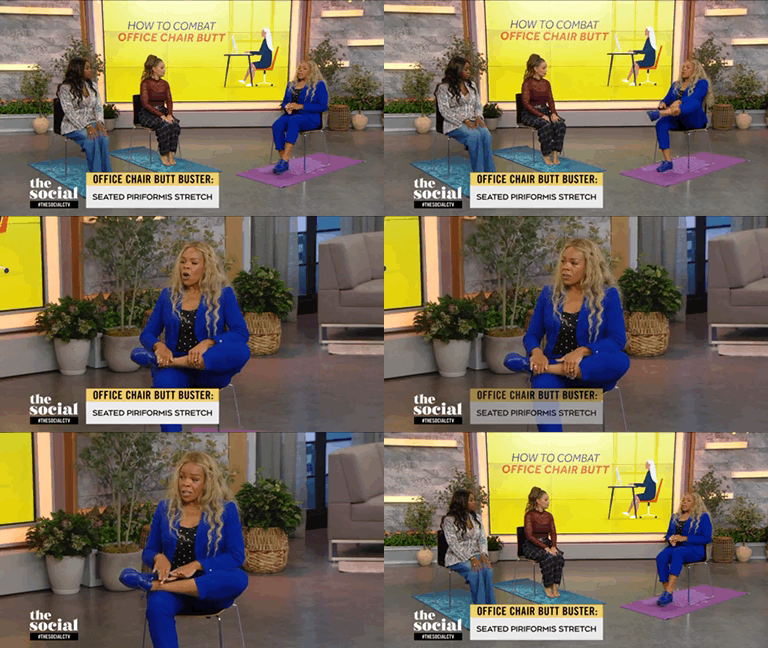
5. Seated Piriformis Stretch
How to Do It:
Sit on a sturdy chair with feet flat on the ground.
Cross your right ankle over your left knee (figure-4 position).
Sit up tall, then gently lean forward from your hips, keeping your back straight. You should feel a stretch deep in the right buttock.
Hold for 20-30 seconds, breathing deeply.
Return to upright and switch legs.
Repeat 2-3 times per side.
Benefits:
Directly stretches the piriformis muscle, reducing tightness and pressure on the sciatic nerve. Improves hip flexibility and reduces nerve compression symptoms.
Easy to perform throughout the day to manage flare-ups or stiffness.
If you think you have office chair butt or just have any pain - we can help!
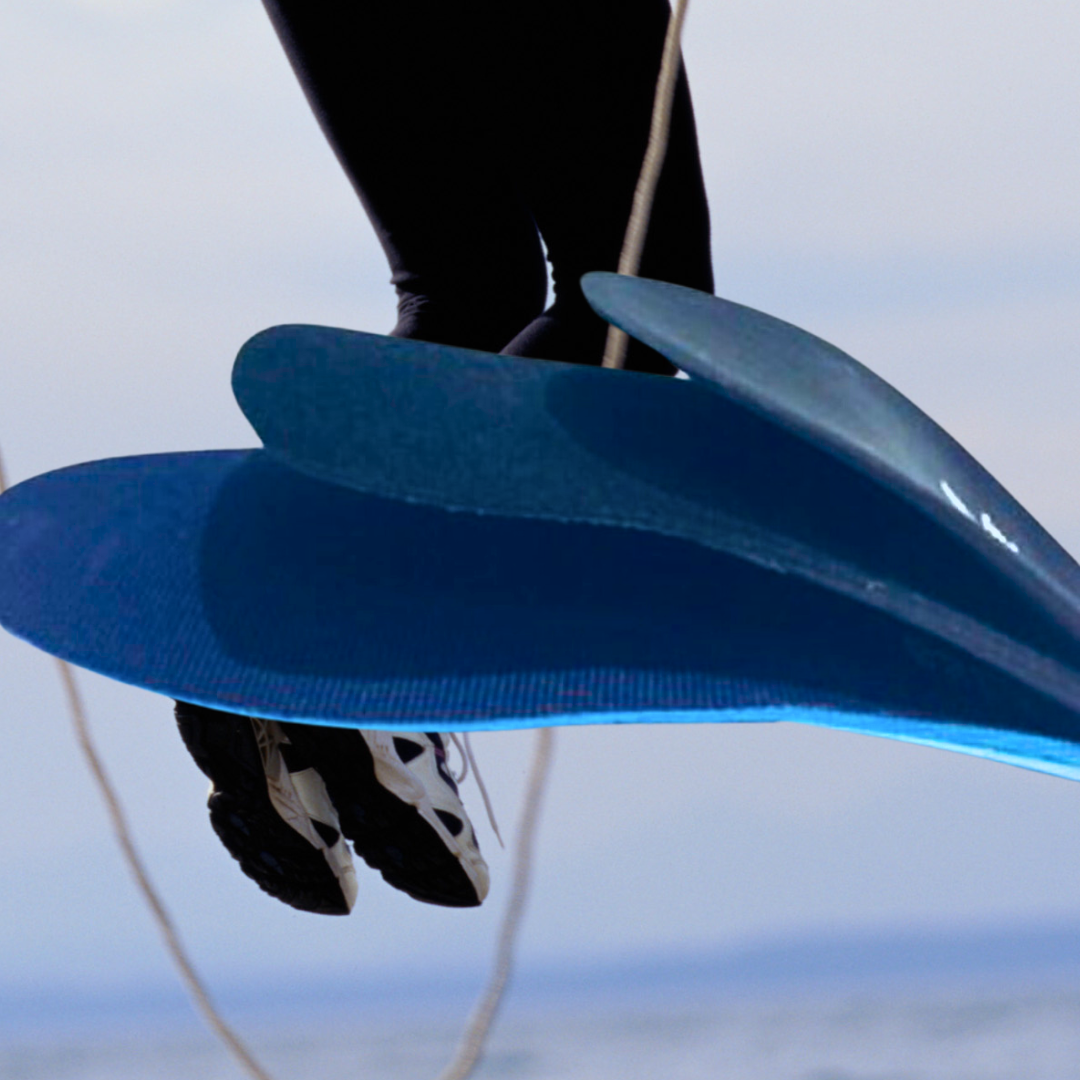
Do you feel supported? Custom orthotics help to support and balance your body to help you feel better. Not only that, they help protect your weight bearing joints like your ankles, knees and hips. Foot, ankle, knee, hip or back pain? You may benefit from custom orthotics! 👣
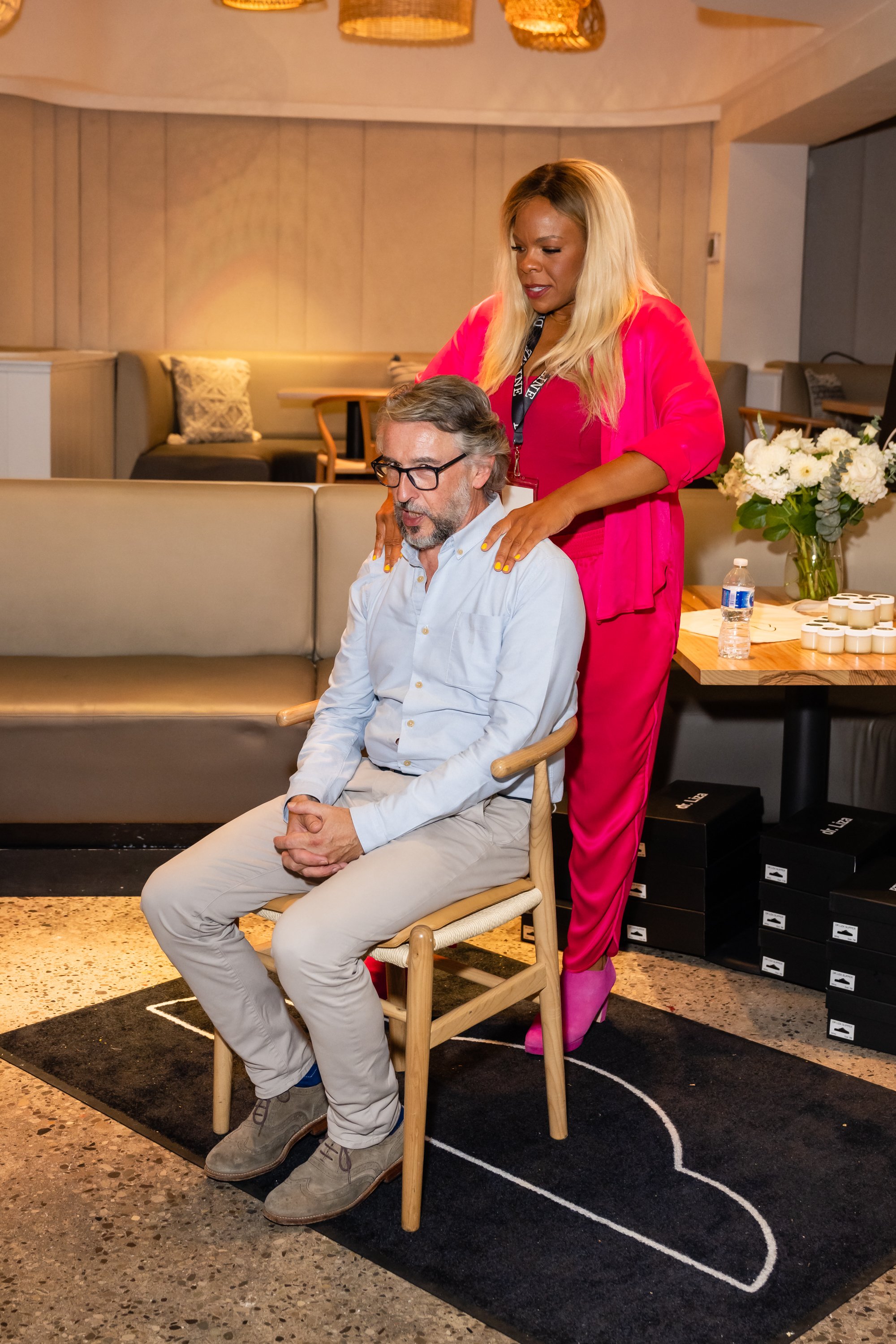
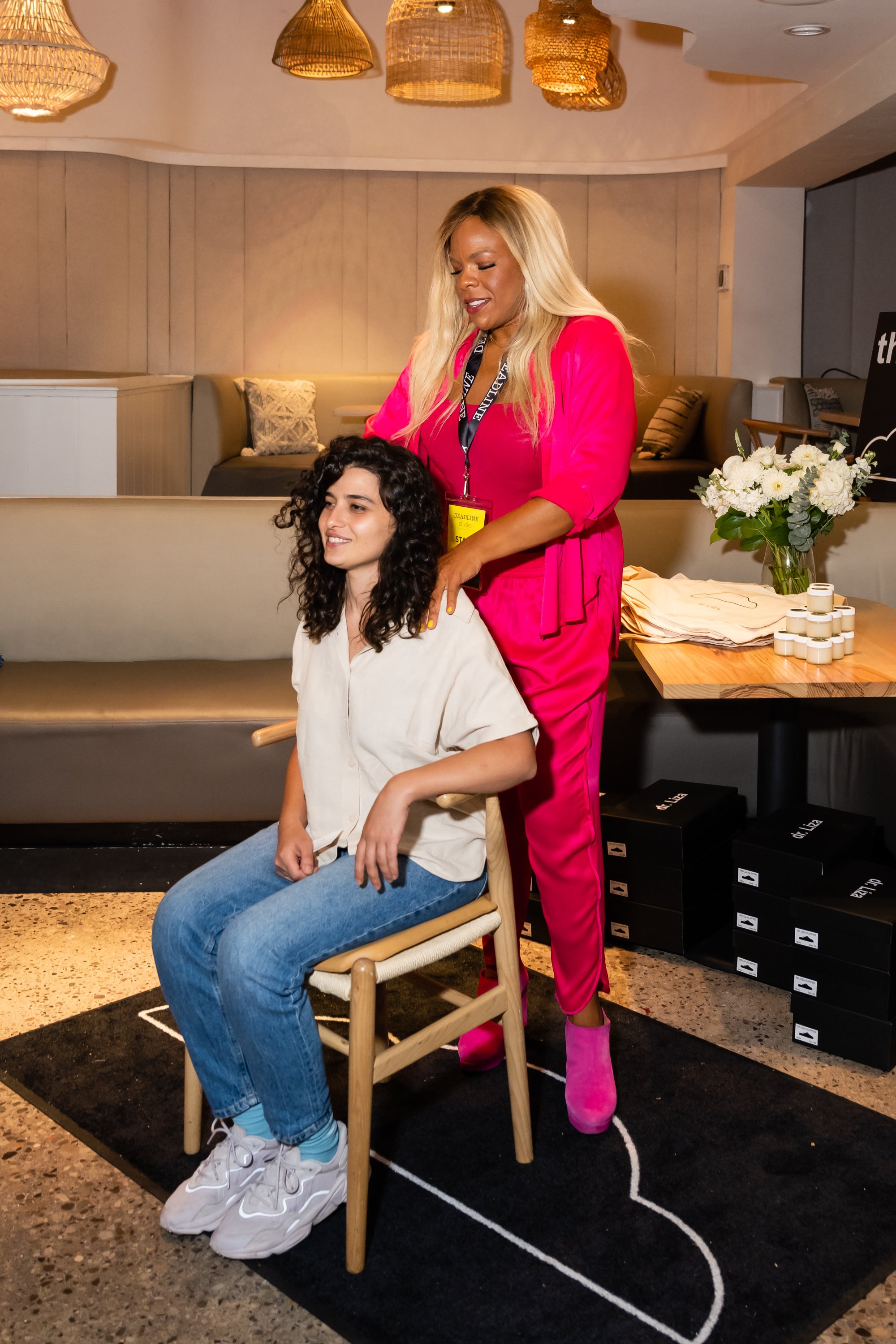
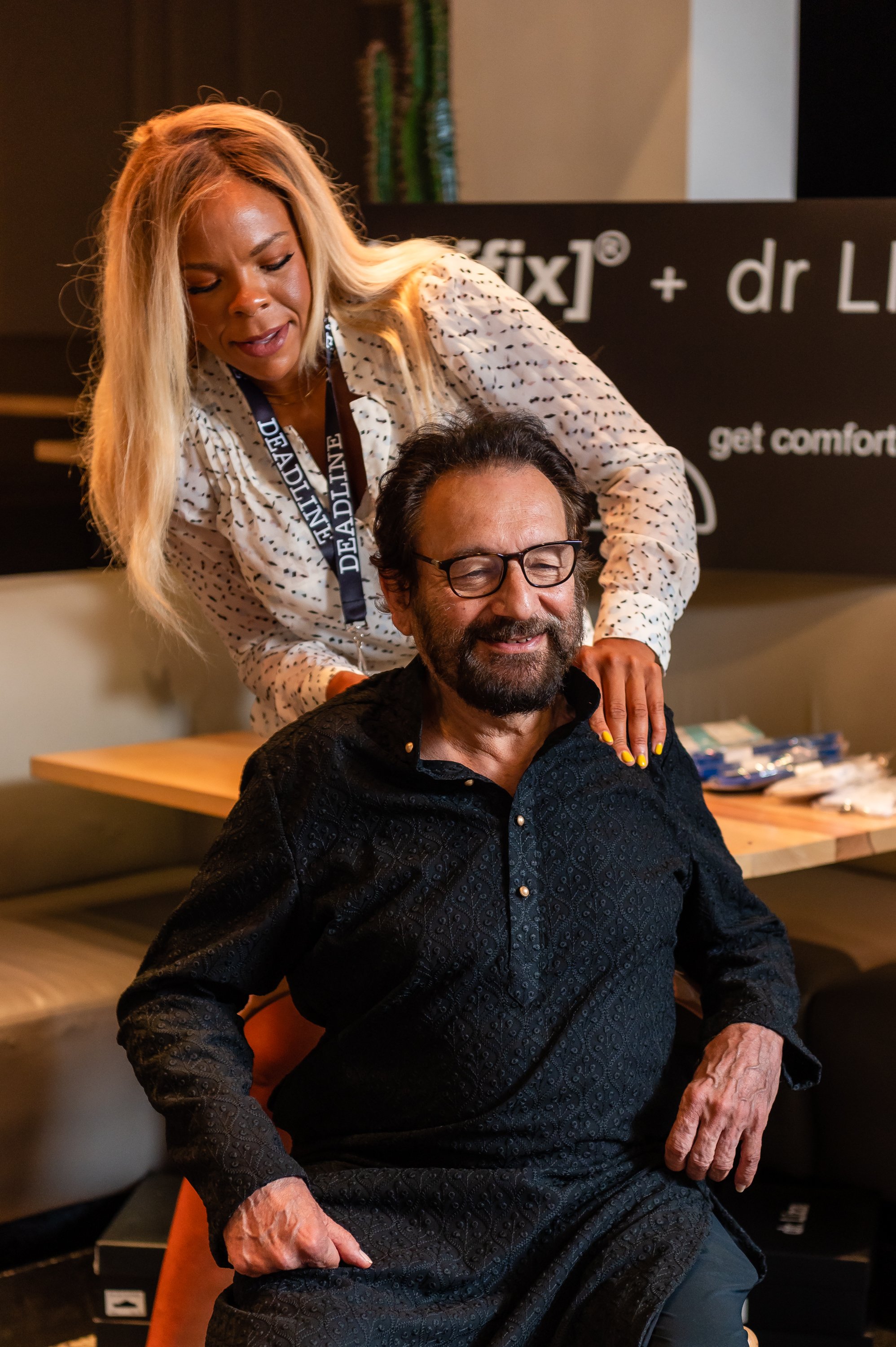
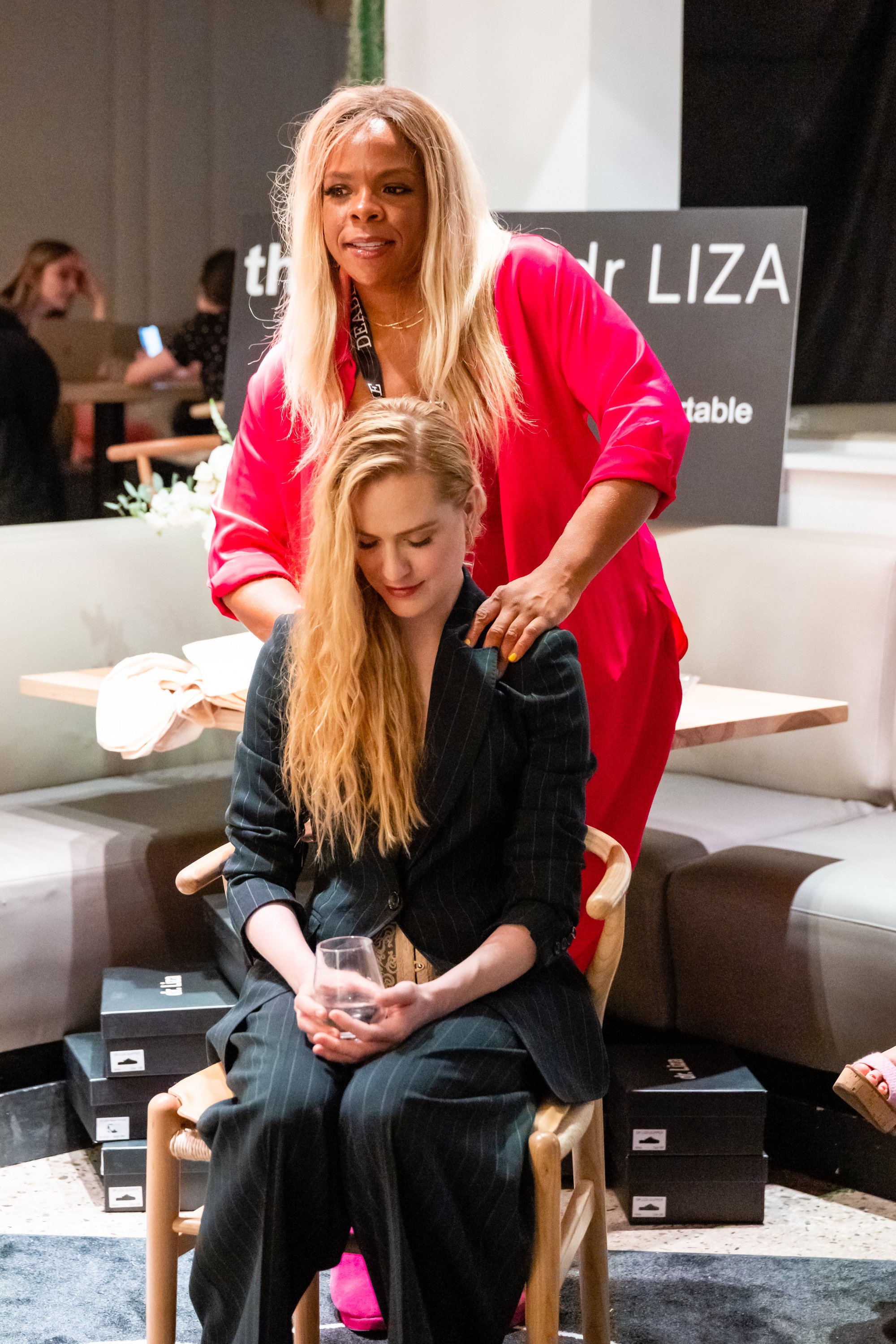
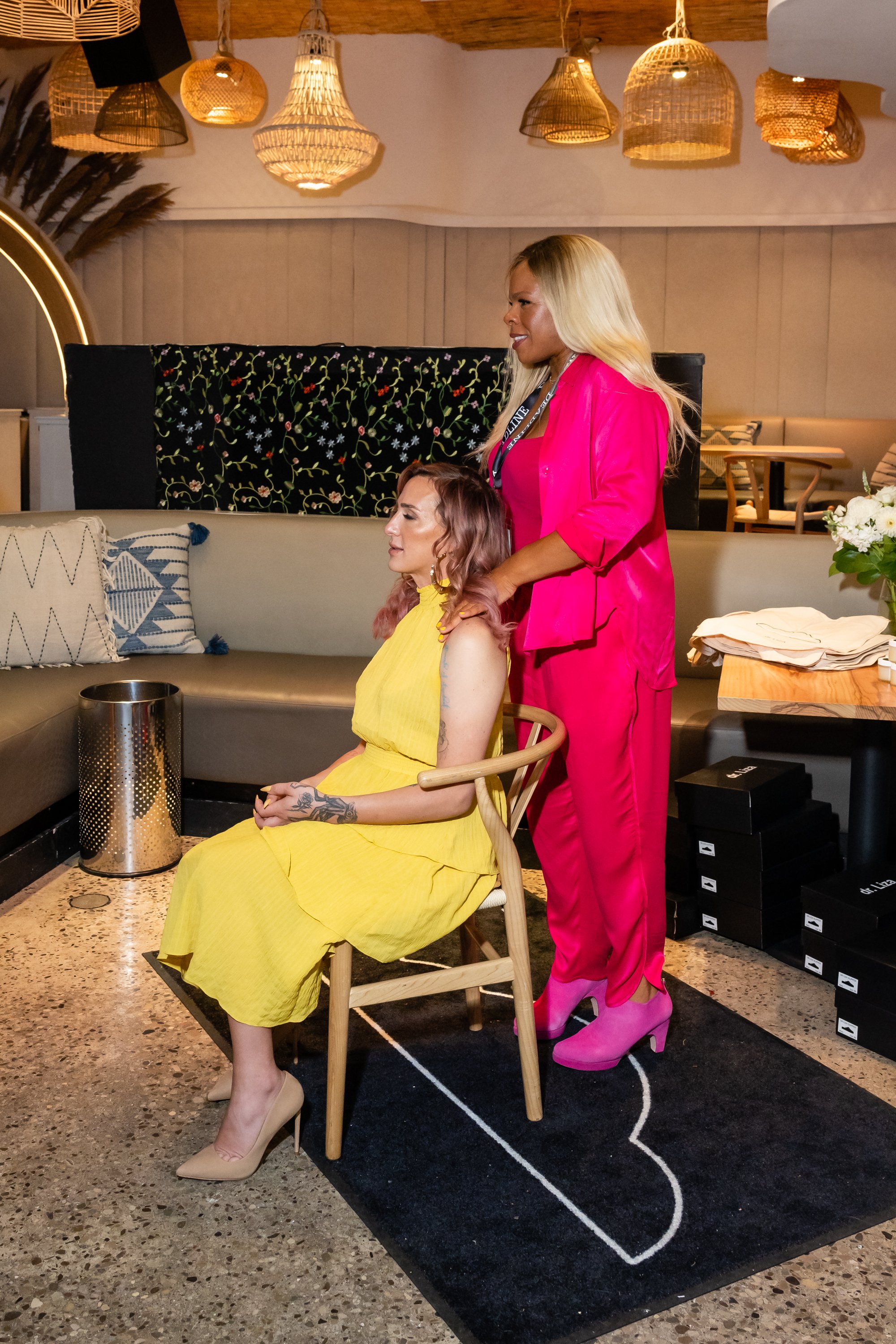
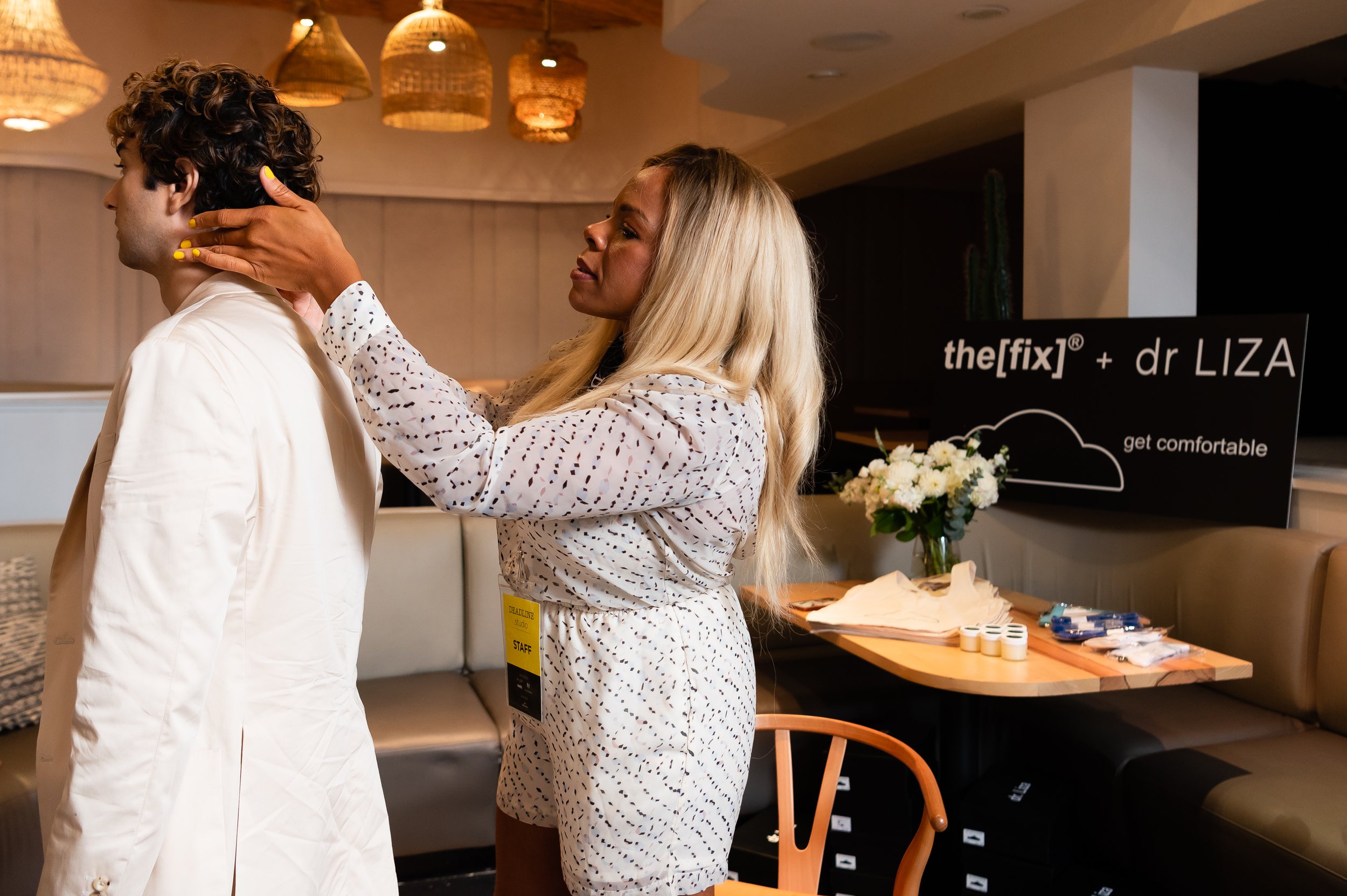
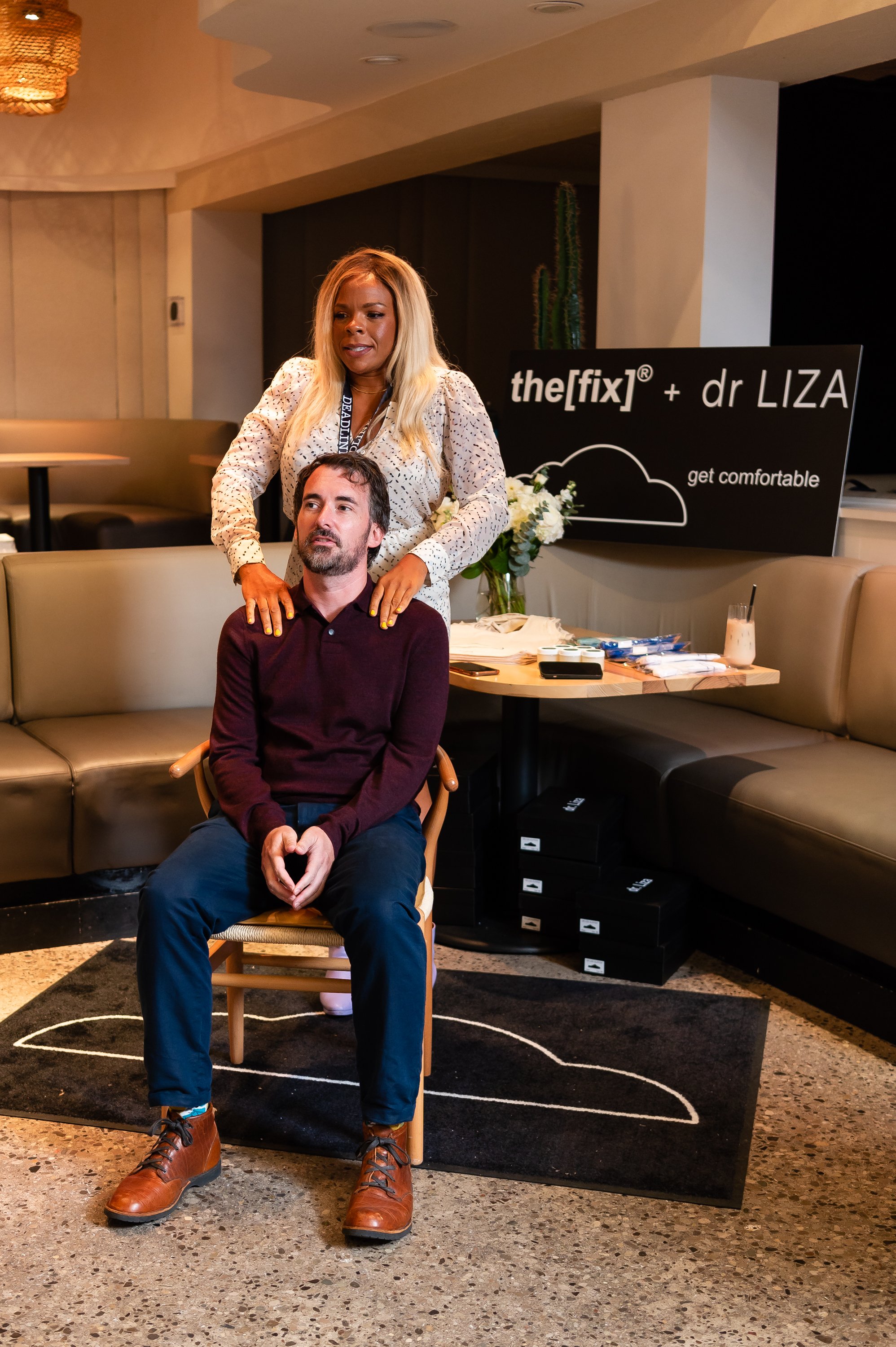
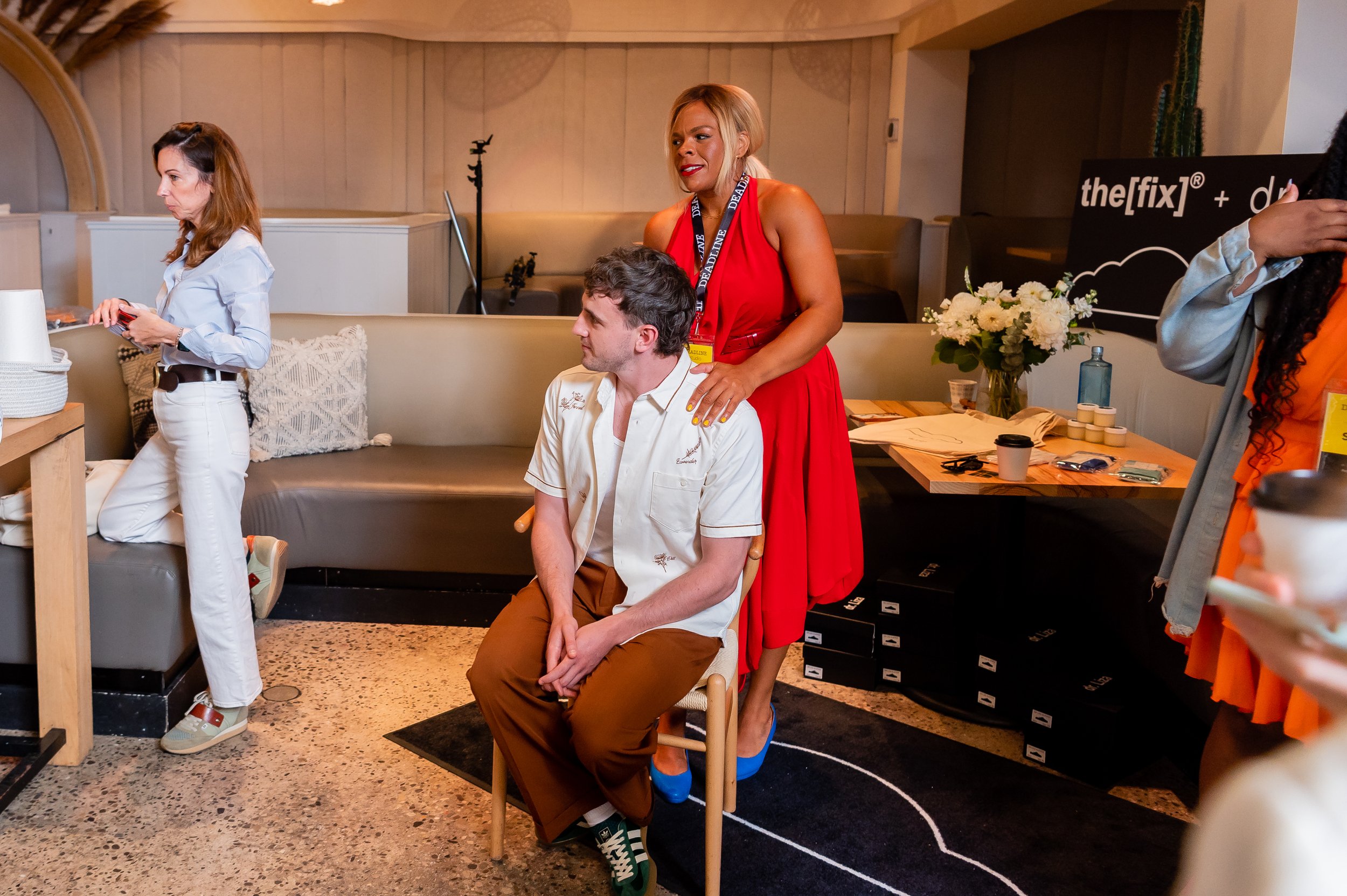
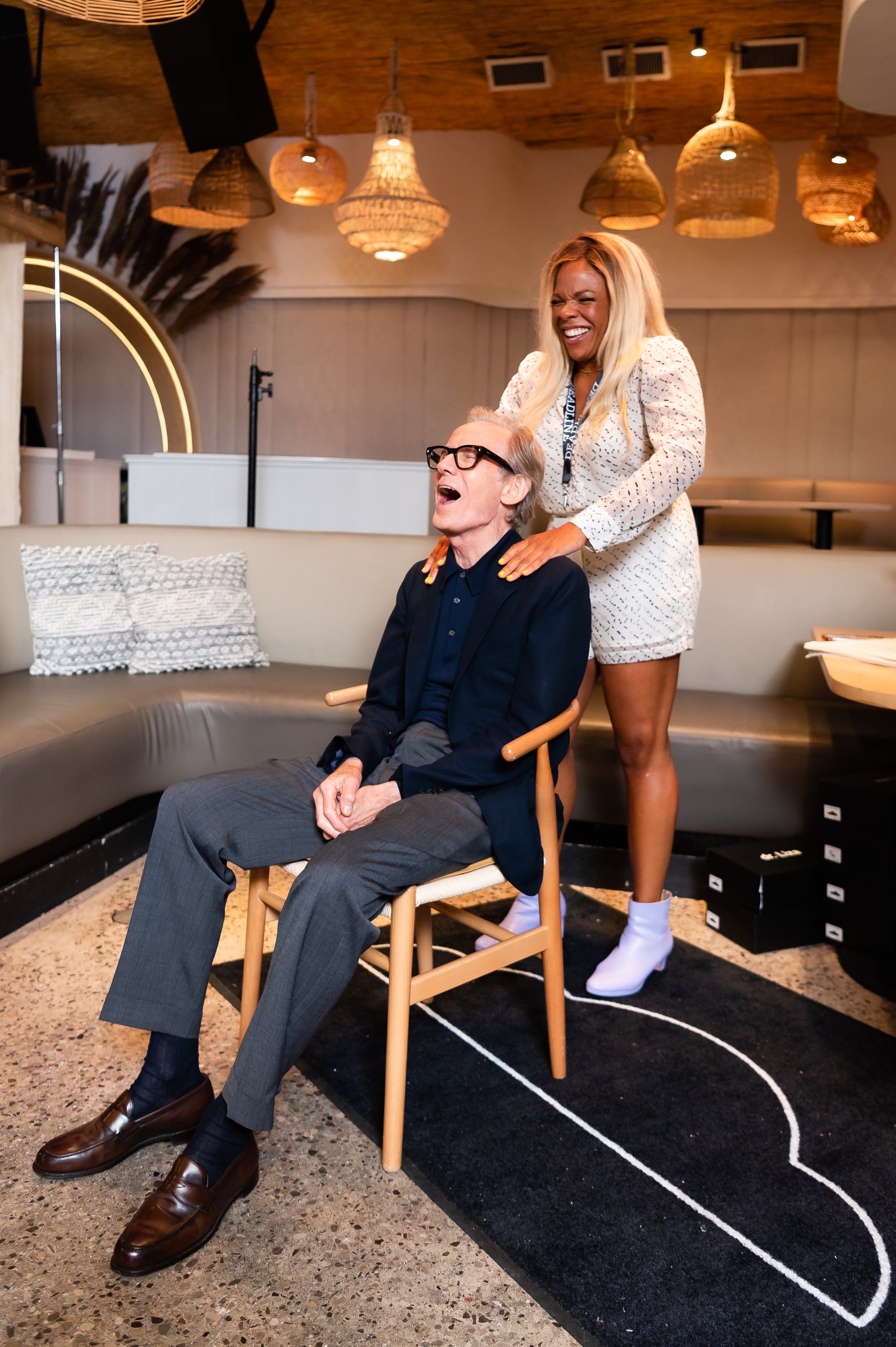
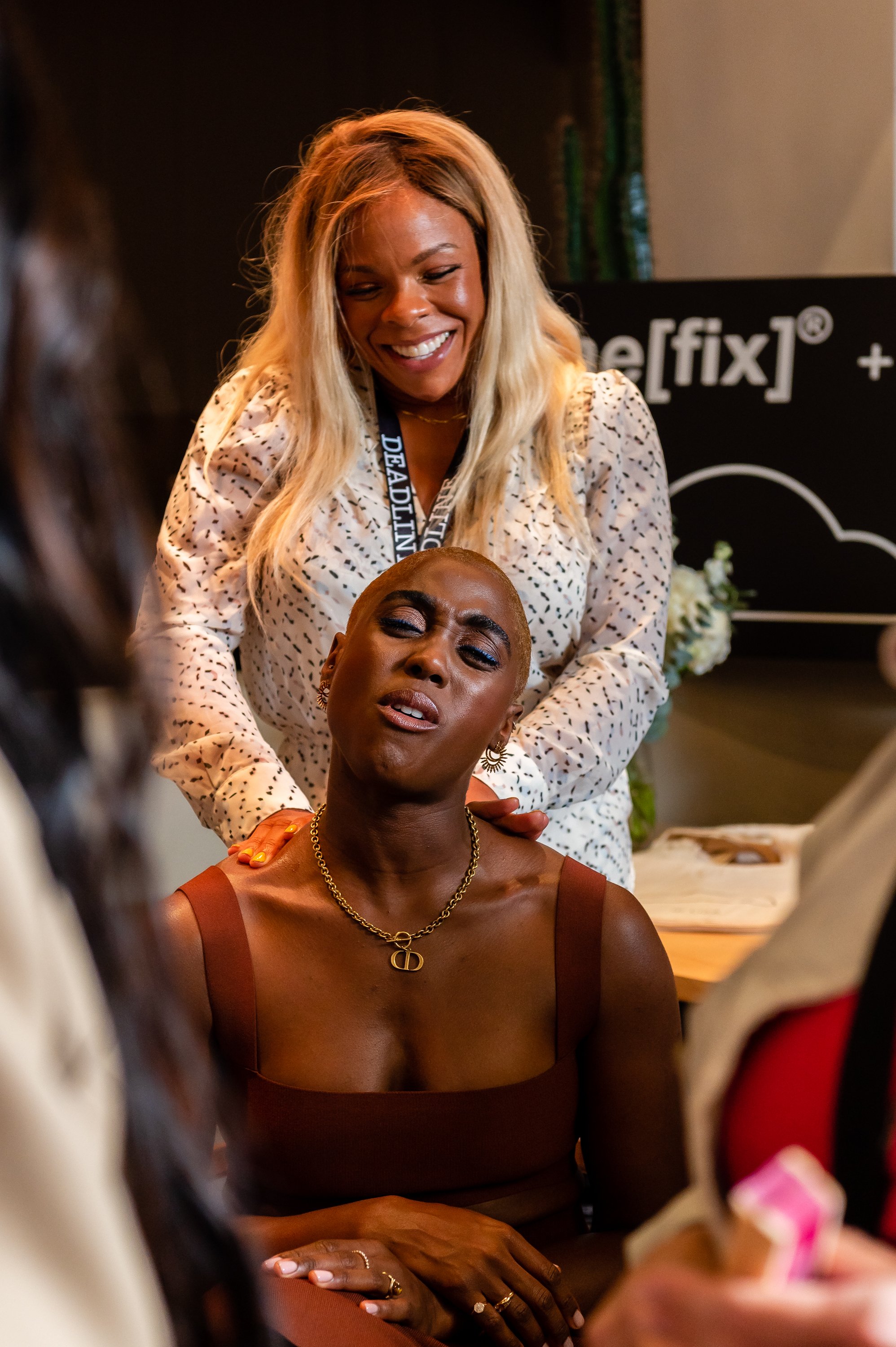
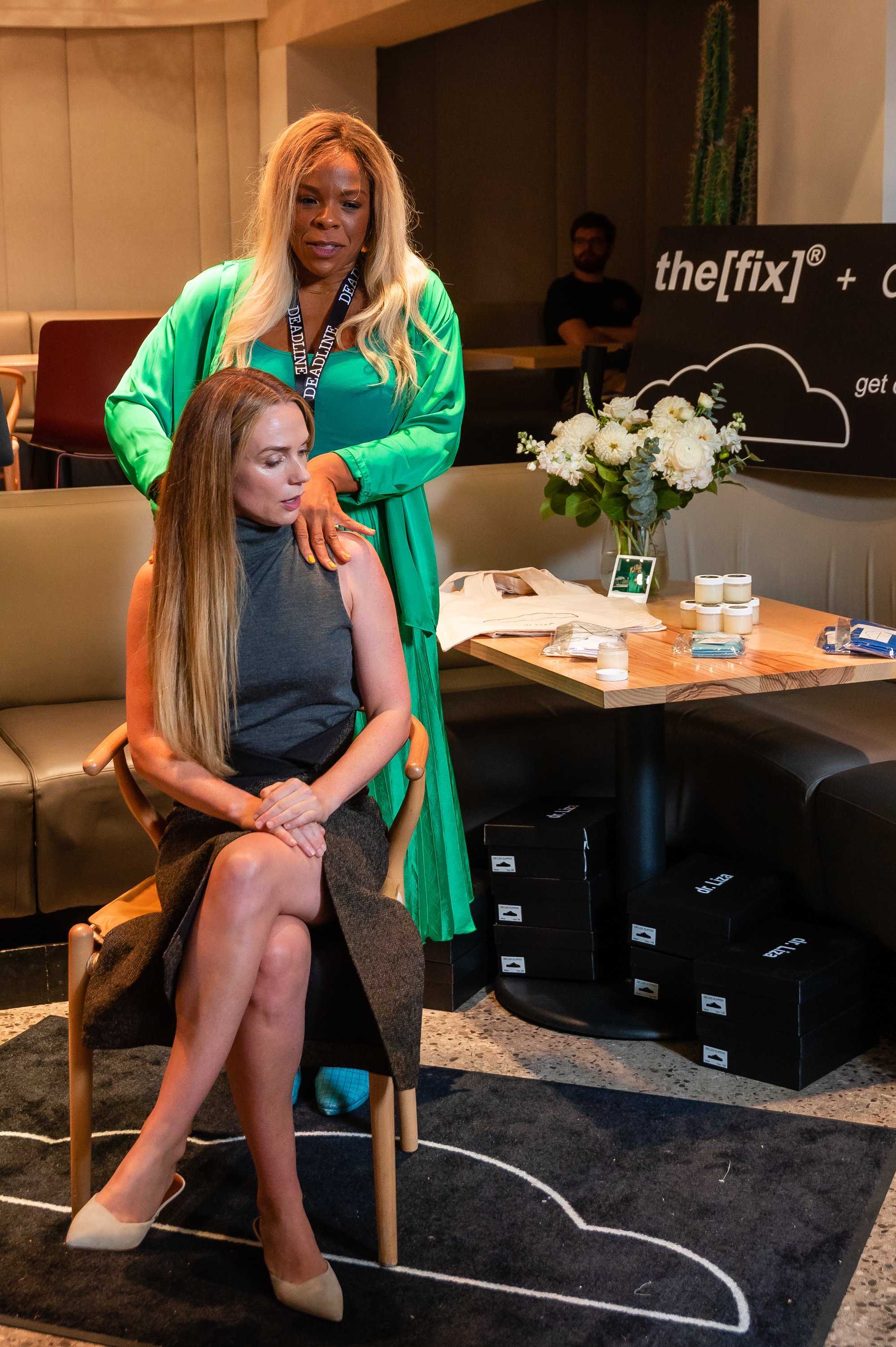
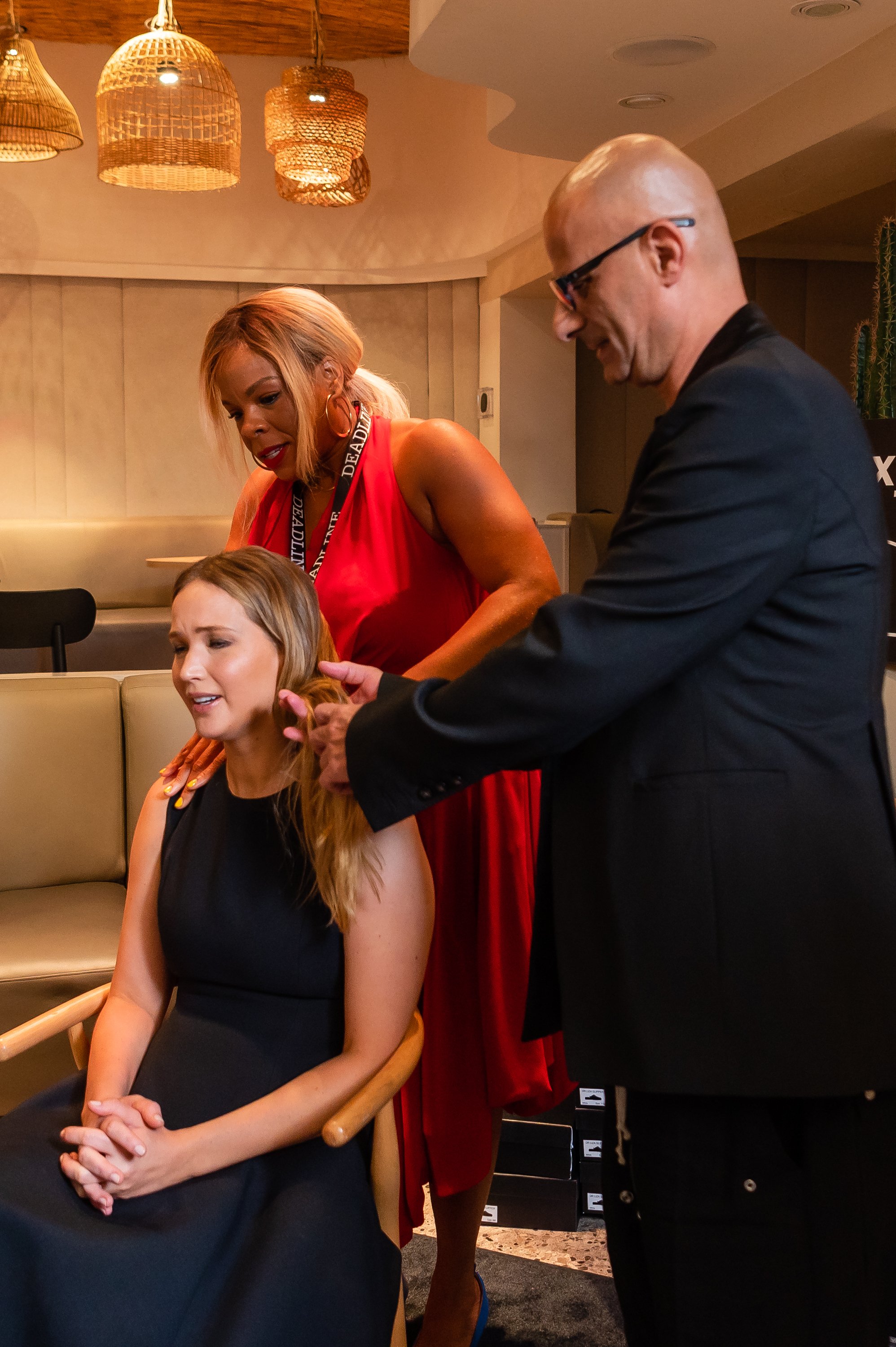
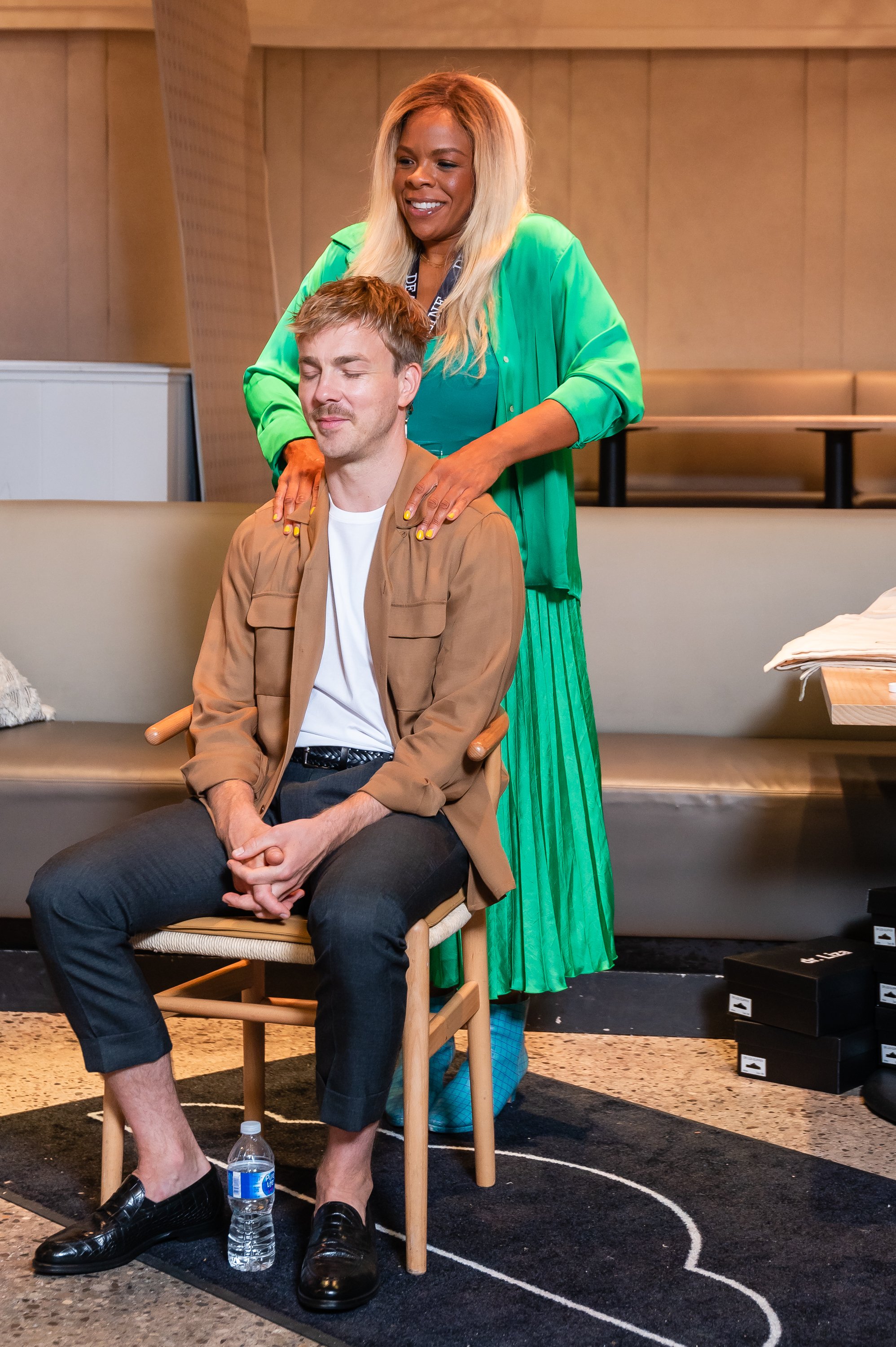
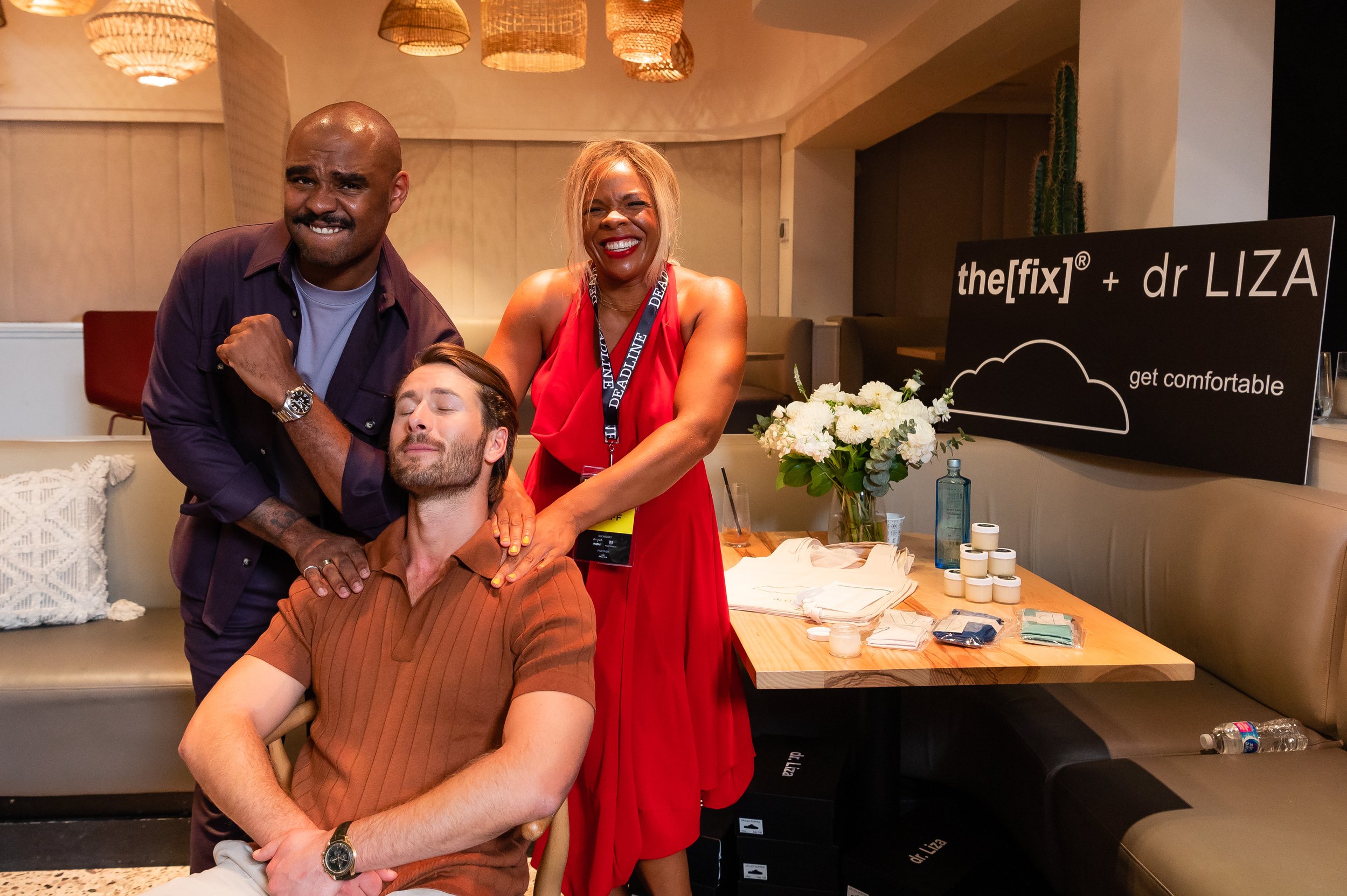
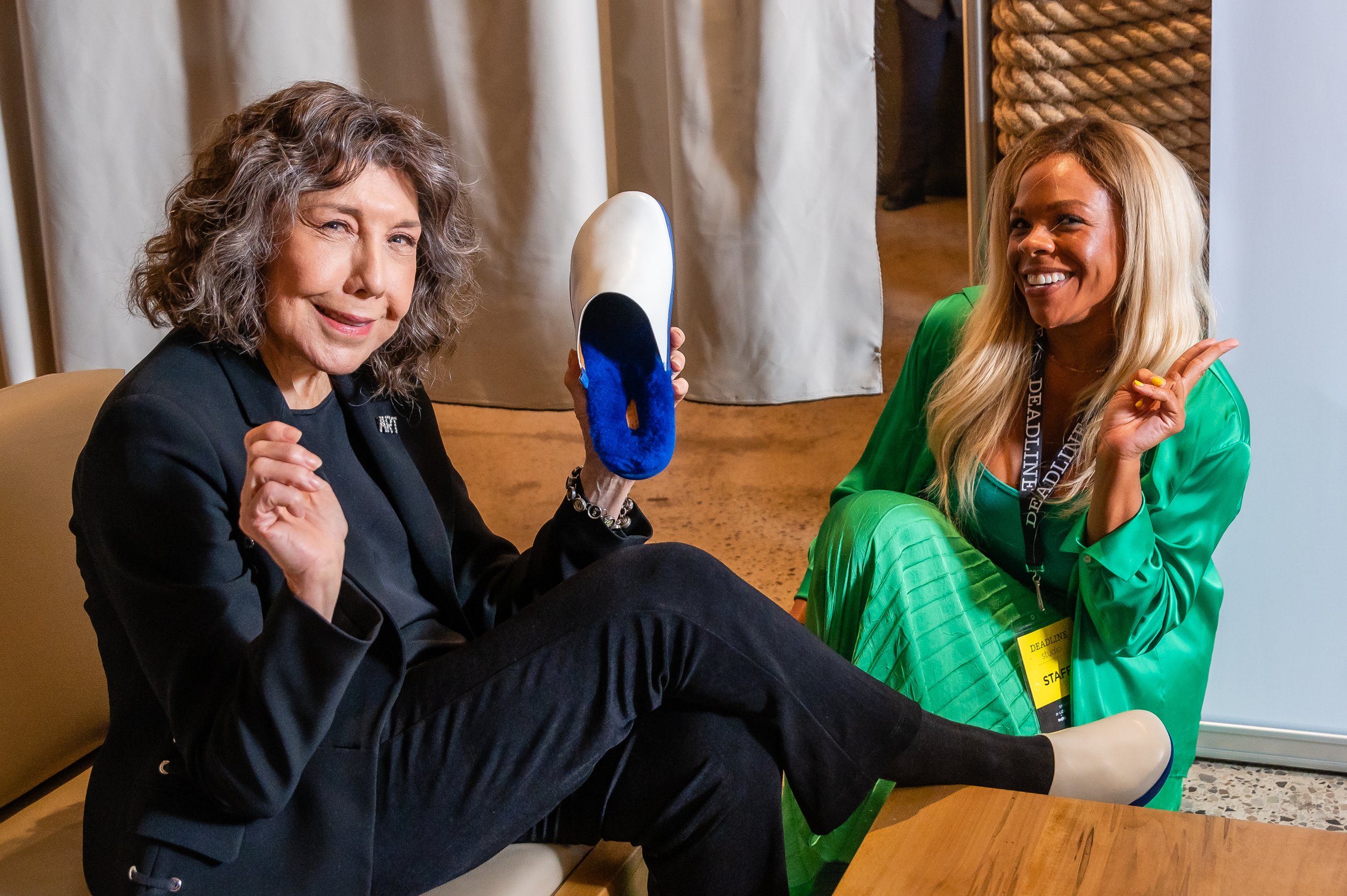
A look back at our pop-up at the deadline studio during the 2022 Toronto International Film Festival. Most of the celebrities that were in town were ecstatic to get a quick fix during TIFF. Some of the stars included Jennifer Lawrence, Janelle Monae, Zac Efron, Sterling K. Brown, Bill Nighy, Ralph Fiennes, Brendan Fraser, Sadie Sink, Glen Powell, Olivia Coleman, Michael Ward, John Boyega, Viola Davis and more.
After 2.5 years in slippers and sneakers getting back into heels can be a painful process especially since most people’s feet have changed during this time. More time barefoot, less time in supportive shoes and changes in weight have resulted in increasing foot width and length. But the good news is that if you prepare your body and know what steps to take you can get your pre-pandemic feet back into heels comfortably. Also learn some tips of picking the right shoes. If you're looking for shoes that have a roomy wide toe box and orthotic insoles that provide arch support - naturally I recommend dr LIZA shoes (drLizashoes.com)
Dr. Liza Egbogah joins CTV's The Social to share exercises and tips to improve your posture and breathing. This can help reduce inflammation, aches and pains and energize you.
Body and posture expert Dr. Liza Egbogah shares exercises that strengthen your feet and improve your balance. If your feet have increased in size - these exercises may help them get back to your previous size. For more information visit drLizashoes.com
Have you noticed your hands getting sore or even numb? It may be because of the amount of time you’re spending on your photo or computer.Try these 5 easy moves you can do to relieve hand discomfort and tension. Some of the moves also double as acupressure points to relieve stress and anxiety. And we all need a little more stress relief.
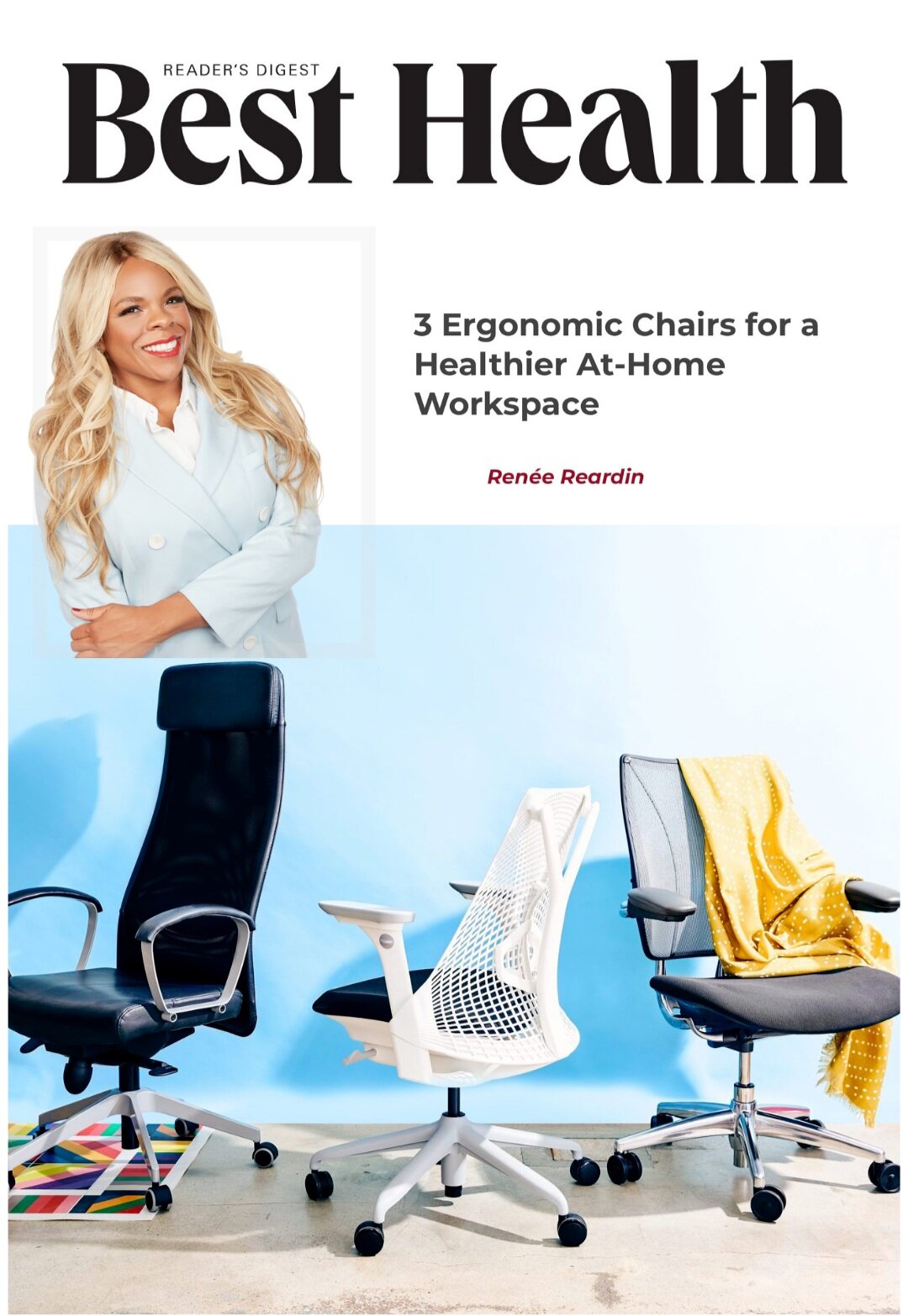
A good ergonomic chair is essential for workday comfort. We rounded up three expert-recommended picks that'll help keep your body feeling good and improve your posture.
Since people are primarily sitting at home, Liza Egbogah shares that she’s seen more issues and more foot pain. While this seems counterintuitive, Liza shares plantar fasciitis and neuromas have increased. Also, people with arthritis in their foot have had increased complaints of pain. She shares three tips to keep your feet and calves and ankles happy!
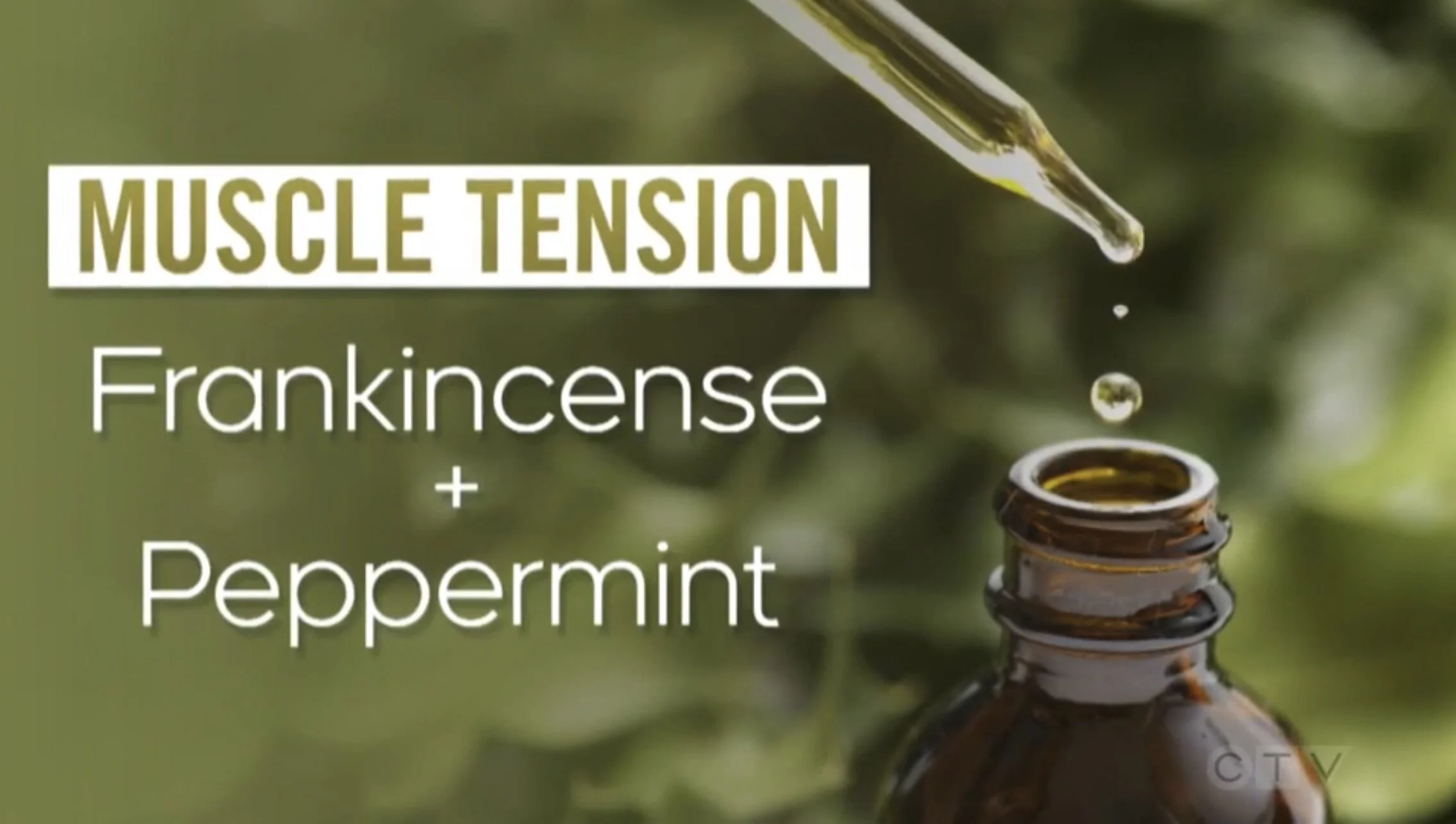
Make your own essential oil blends that can help you relax, energize you, ease aches and pains and even make you happier. One of these blends is our signature aromatherapy blend at the[fix]. Enjoy!
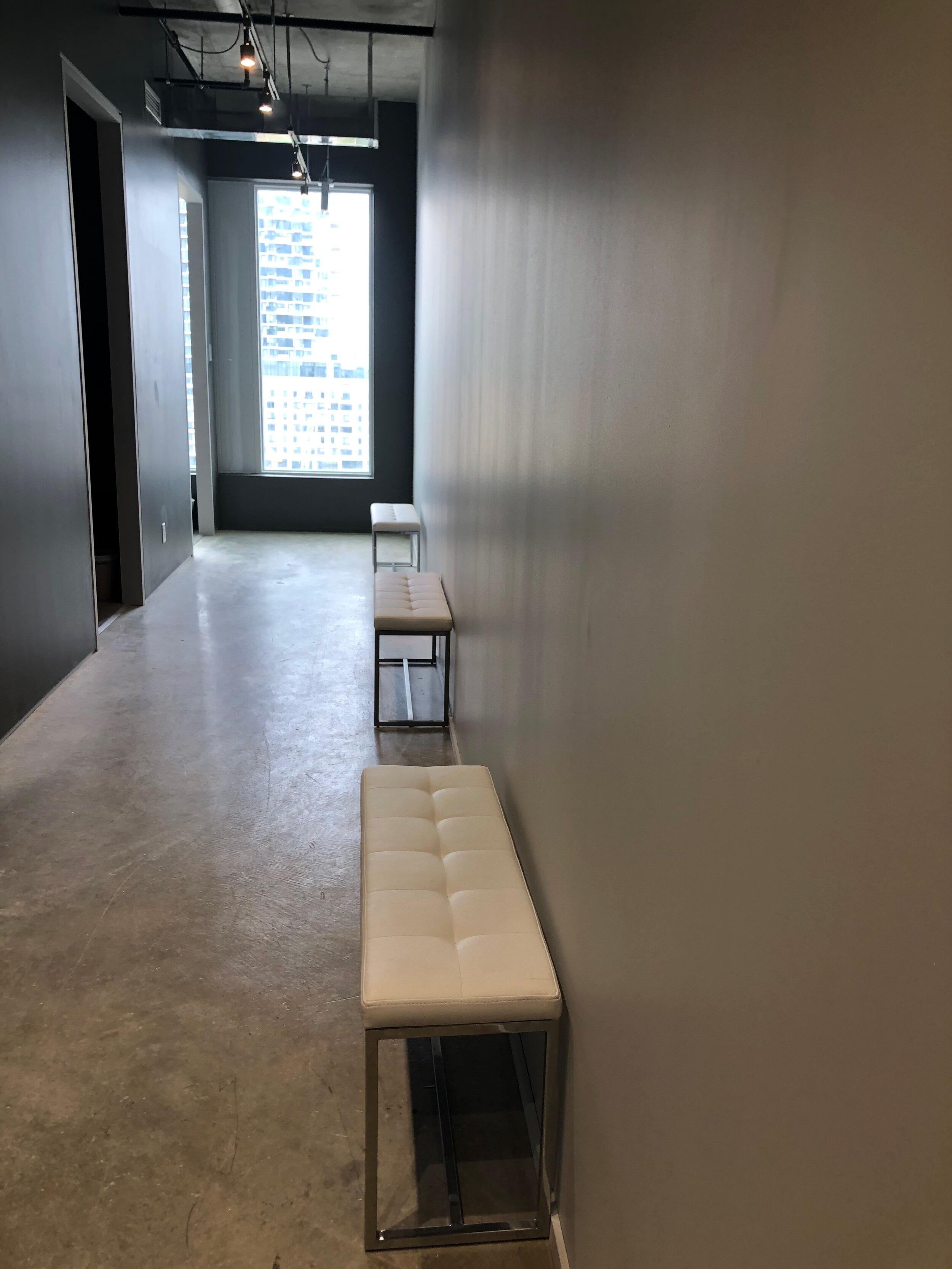
Everything is all set and we are looking forward to welcoming you to the new home of the[fix]. We are just waiting for final inspection so that we can finally open our doors.
We have made a few changes to for enhanced safety including even more comprehensive sanitation, pre-visit questionnaires, mandatory masking, brand new top of the line ventilation and physical distancing.
We will be reaching out via email to re-schedule and book appointments.
Once again our opening has been delayed as construction is STILL underway. We are now hoping to open between August 26 -31st. We will be emailing everyone who had an appointment scheduled and everyone who has requested an appointment to schedule you in.
Thank you for your patience - it will be worth the wait!
We were hoping to have been opened by early July but unfortunately as a result of the pandemic things are moving quite slowly. At this time we are being told that the[fix] will be ready to re-open in mid-August. We look forward you to welcoming you to our beautiful new clinic!
![the[fix]](http://images.squarespace-cdn.com/content/v1/5494e530e4b039edeef75dff/1467052868801-4WDDECP8CV27LAFWPL65/the%5Bfix%5D+logo+TM.jpg?format=300w)


































![Make your own essential oil blends that can help you relax, energize you, ease aches and pains and even make you happier. One of these blends is our signature aromatherapy blend at the[fix]. Enjoy!](https://images.squarespace-cdn.com/content/v1/5494e530e4b039edeef75dff/1610401768832-Z4U6YNRK8FLP82XA2H3T/IMG_4622.jpg)







![the[fix] relax candle](https://images.squarespace-cdn.com/content/v1/5494e530e4b039edeef75dff/1593273781901-3ZJDNIUQKTPQ4K0RF17V/IMG_2475.JPG)
![the[fix] relax candle](https://images.squarespace-cdn.com/content/v1/5494e530e4b039edeef75dff/1595990486899-T96982P3YEVGBGGMMY0C/IMG_2475.jpg)
